
Specialised Support
Services
in Liverpool New South Wales
NDIS Specialised Support Liverpool NSW
There is a tendency in disability care discussions to focus on systems. Funding systems. Assessment systems. Service systems. Those things matter, of course.
They shape what support people can access and how providers operate. Yet when families talk about what actually changes daily life, the conversation usually drifts somewhere else. It comes back to people. Consistency. Trust. The feeling that support is built around an individual rather than fitted into a standard template.
That is where specialised support services become particularly important.
For many participants and families in Liverpool, finding the right support is not simply about securing assistance. It is about finding care that understands complexity, responds to changing needs, and remains dependable over time.
The difference sounds subtle. Often it is not.

When Standard Support Is No Longer Enough
Not every participant requires specialised services. Many people access community support, transport assistance, social programs, or help with everyday tasks and find that those services meet their needs well. Others face circumstances that are more complicated.
A person may live with multiple disabilities. Someone may require ongoing clinical monitoring. Behavioural support needs might demand additional expertise. Families may be managing conditions that fluctuate unpredictably from week to week.
In these situations, general support structures can begin to show their limitations. On paper, a care plan may appear comprehensive. In practice, the reality can be far messier. A participant's needs rarely stay neatly inside administrative categories. Health concerns intersect with social needs. Mobility challenges affect independence. Communication barriers influence everything from appointments to community participation.That is often where NDIS Specialised Support Liverpool NSW services become relevant. They are designed for situations that require greater skill, closer coordination, and a deeper understanding of individual circumstances.
Liverpool’s Growing Need for Personalised Disability Care
Liverpool has changed considerably over the past decade.
The region continues to grow, attracting families from a wide range of cultural and linguistic backgrounds. With that growth comes increasing demand for disability services that can accommodate different expectations, communication styles, and care requirements.
One challenge frequently discussed by families is not access alone.
It is suitability.
A service may technically be available yet still fail to meet the realities of someone's daily life. Appointment schedules may be difficult to manage. Staff turnover can disrupt established routines. Communication may become inconsistent.
These issues often appear small from an organisational perspective.
For participants, they can affect confidence, independence, and wellbeing in very practical ways.
The strongest providers tend to recognise that specialised support is rarely just about delivering a task. It involves understanding how that task fits within a person's broader life.
That distinction matters more than many organisations assume.
The Human Side of Complex Support Needs
People sometimes hear the phrase "high support needs" and immediately think of medical care.
The reality is broader.
Complex support can involve behavioural challenges, neurological conditions, physical disabilities, acquired injuries, or combinations of several factors occurring simultaneously.
What makes these situations difficult is not always the severity of a condition. Sometimes it is the interaction between different needs.
A participant may require assistance with mobility while also needing communication support. Another person may have excellent physical independence but require intensive behavioural guidance and structured routines.
The complexity lies in the overlap.
This is why Complex Disability Care in Sydney often depends on multidisciplinary approaches rather than isolated services. Support workers, nurses, therapists, coordinators, and families frequently need to work together. Not perfectly. Few care environments operate perfectly. But coordination tends to improve outcomes.
Without that coordination, gaps emerge.
And gaps in support rarely stay small for long.
Why Skilled Staff Make Such a Difference

The quality of specialised support often comes down to one thing.
Capability.
Qualifications matter. Training matters.
Yet experience matters too.
Families can usually tell when a support worker understands a situation beyond what appears in documentation. There is often a calmness in the interaction. An ability to anticipate challenges before they become problems.
That kind of practical judgement is difficult to measure.
It develops over time.
Some providers invest heavily in staff development and supervision because specialised care places significant responsibility on frontline workers. Others struggle with workforce shortages and high turnover, challenges that continue across many parts of Australia's care sector.
Neither reality should be ignored.
The sector contains excellent practitioners. It also faces genuine pressures.
Acknowledging both is probably more honest than pretending every service experience is equally positive.
Clinical Support Beyond the Hospital Setting
Healthcare needs do not disappear once someone returns home. In many cases, ongoing clinical assistance becomes part of everyday life.
Participants may require medication management, wound care, health monitoring, catheter care, enteral feeding support, or assistance with chronic health conditions. This is where NDIS Nursing Care in Sydney plays a significant role. Nursing support allows many participants to remain in familiar environments while still receiving professional care. For families, this can reduce some of the stress associated with managing complex medical requirements independently.The value extends beyond clinical procedures. Good nursing support often provides reassurance. Not certainty. Healthcare rarely offers certainty. But reassurance that changes in condition may be identified early and addressed appropriately. For many families, that matters enormously.
Building Trust Takes Longer Than Service Agreements
One aspect of disability support receives surprisingly little attention.
Time.
Trust develops slowly.
A participant may need weeks or months before feeling comfortable with a new support worker. Communication preferences become clearer. Routines settle. Relationships strengthen.
Then a staffing change occurs.
Sometimes it is unavoidable.
Still, continuity remains one of the most important factors influencing participant satisfaction. Familiar faces reduce anxiety. Consistent support improves communication. Small details are remembered without constant explanation.
The administrative side of disability services occasionally underestimates how valuable that continuity can be.
People are not service categories.
They are individuals navigating everyday life with varying levels of support.
That reality should remain central.
Choosing the Right Provider in Liverpool
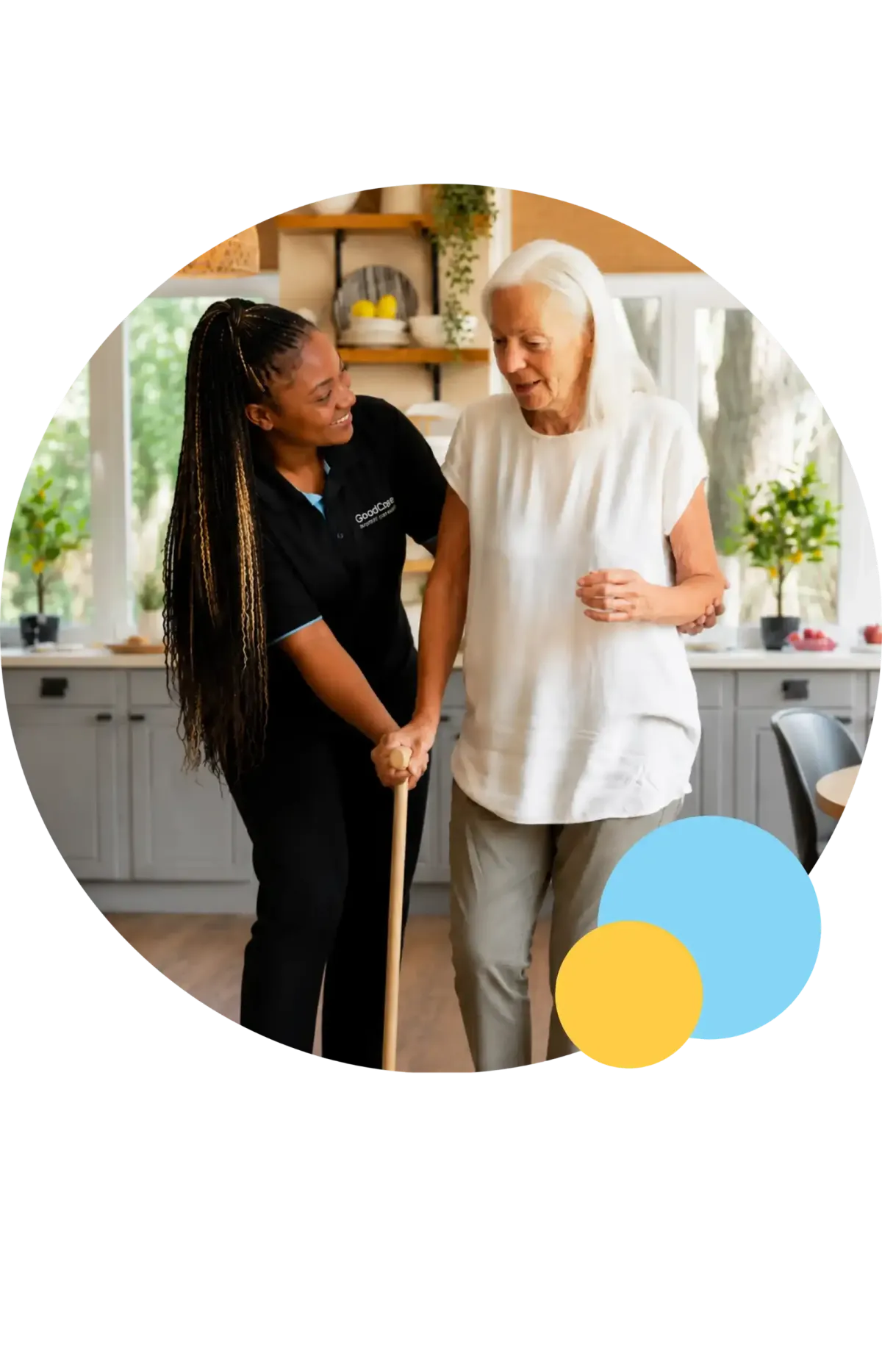
Selecting a provider can feel overwhelming.
There are numerous options, similar promises, and plenty of marketing language.
Families often benefit from looking beyond promotional claims.
Questions worth asking include:
How experienced is the provider with similar support needs?
What training do staff receive?
How is continuity maintained?
What happens during emergencies?
How are families involved in care planning?
The answers are not always straightforward.
In fact, providers willing to discuss limitations openly may sometimes inspire more confidence than those claiming to have perfect solutions for every situation.
Specialised support requires adaptability. No provider gets everything right all the time.
What matters is how challenges are managed when they inevitably arise.
Looking Beyond Services Toward Quality of Life
At its best, specialised disability support is not really about services. Services are simply the mechanism. The larger goal is participation, independence, dignity, and stability. Sometimes progress looks significant. A participant gains new skills, increases community involvement, or achieves a personal goal that once seemed distant. Other times progress is quieter.
Maintaining health. Preserving routine. Preventing setbacks. Those outcomes may not generate attention, but they often matter just as much. As demand for Disability Support Services Liverpool NSW continues to grow, providers face an ongoing challenge: delivering care that remains genuinely individual while operating within larger systems and frameworks. There is no perfect formula for achieving that balance.
Still, the most effective NDIS Specialised Support Liverpool NSW providers appear to share a common understanding. They recognise that specialised care is not merely a collection of funded supports. It is an ongoing relationship built around a person's circumstances, goals, and changing needs.
And perhaps that is why NDIS Specialised Support Liverpool NSW remains such an important part of the disability sector today.
Not because complexity exists. Because people do. When support acknowledges that simple truth, NDIS Specialised Support Liverpool NSW becomes something more meaningful than a service category. It becomes a practical way of helping individuals live with greater confidence, stability, and control over their own lives.
What specialised support services do you provide?
We provide a range of specialised support services tailored to individual needs, including personal care, nursing support, diabetic care, bowel care, complex health support, Specialist Support Coordination, and Recovery Coaching. Our focus is on helping participants live safely, comfortably, and independently.
How can GoodCare improve my daily living through specialised support services?
GoodCare supports participants with everyday activities that may become challenging due to disability or complex health needs. From personal care and community participation to health monitoring and specialised assistance, our services are designed to promote independence, confidence, and quality of life.
How can diabetic care services help me manage my health better?
Our diabetic care services help participants manage their condition through regular monitoring, medication support, blood glucose management, and health education. Consistent support can help reduce complications and make day-to-day health management more manageable.
Can GoodCare provide reliable Specialist Support Coordination and Recovery Coaching?
Yes. Our experienced team can assist participants in navigating the NDIS, connecting with appropriate services, building support networks, and working towards personal goals. Recovery Coaching focuses on helping individuals strengthen resilience, increase independence, and maintain wellbeing.
1. Can you provide nursing care at home?
Yes. We offer in-home nursing care for participants who require clinical support, including medication management, wound care, health monitoring, and other nursing services delivered by qualified professionals.
2. Do you provide diabetic and bowel care support?
Yes. Our team provides specialised diabetic care and bowel care support based on individual health requirements, helping participants manage their conditions safely and comfortably.
3. What does Recovery Coaching include?
Recovery Coaching involves goal setting, capacity building, support planning, and helping participants develop the skills and confidence needed to manage daily challenges and achieve greater independence.
4. Do you support people with complex health conditions?
Yes. We support individuals with complex health needs, chronic conditions, multiple disabilities, and ongoing care requirements. Services are tailored to each participant's unique circumstances and care goals.
Supporting You Every Step of the Way
Head Office: Level 1, 244 Macquarie St,
Liverpool NSW 2170
+61 468 057 515, +61 468 157 515, 02 9121 6207
Mon - Fri: 9am - 5pm
Sat - Sun: By Appointment


Quick Links
Our Services
© 2026 GoodCare Health and Disability Support Services Pty Ltd. All rights reserved.